Agricultural residues, once considered a waste disposal problem often leading to environmentally damaging practices like stubble burning, are now being recognized as a vast, untapped resource. Transitioning to a circular economy model in agriculture is unlocking new economic and ecological value.
The Paradigm Shift
The traditional linear approach of "take, make, dispose" is making way for circularity, where waste from one process becomes the input for another. In agriculture, this means:
- Biomass to Energy: Converting crop residues into compressed biogas (CBG) or bioethanol.
- Nutrient Cycling: Processing waste into nutrient-rich compost or biochar to rejuvenate depleted soils.
- Bio-materials: Using fibrous residues for sustainable packaging and building materials.
Economic and Environmental Benefits
Implementing circular waste-to-value systems offers a dual benefit:
- Environmental Protection: Significantly reducing air pollution and greenhouse gas emissions associated with biomass burning.
- Economic Empowerment: Creating additional revenue streams for farmers and rural communities through the sale of agricultural waste.
Scaling Up the Solutions
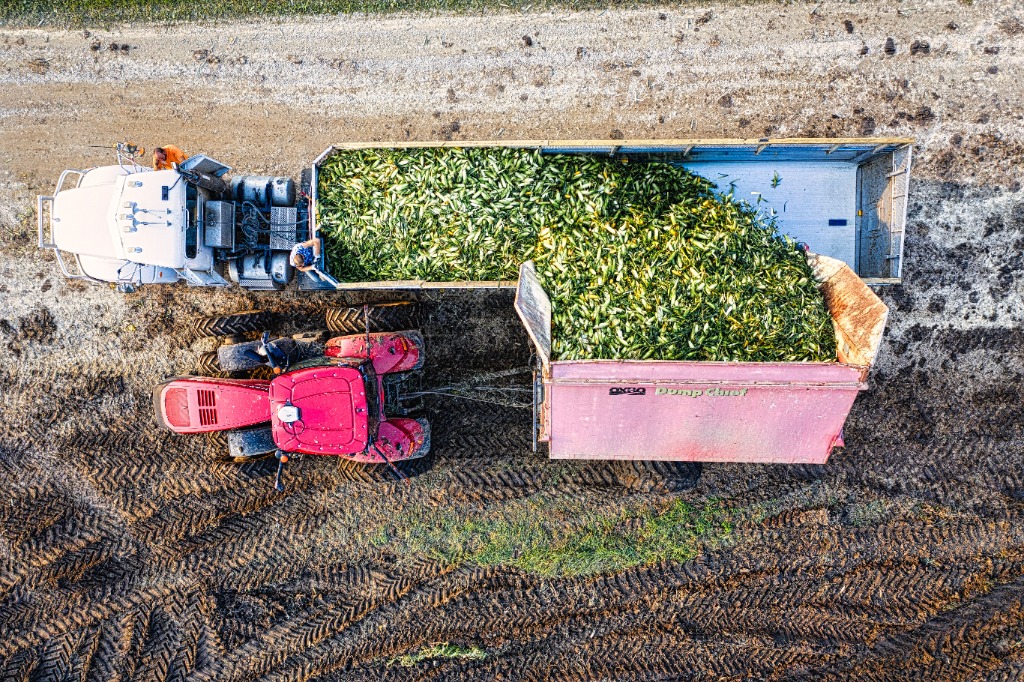
To truly unlock this value at scale, robust supply chains for residue collection, aggregation, and processing need to be established. Coupled with supportive policies and technological innovation, agricultural residuals will play a central role in the global transition toward a circular bioeconomy.